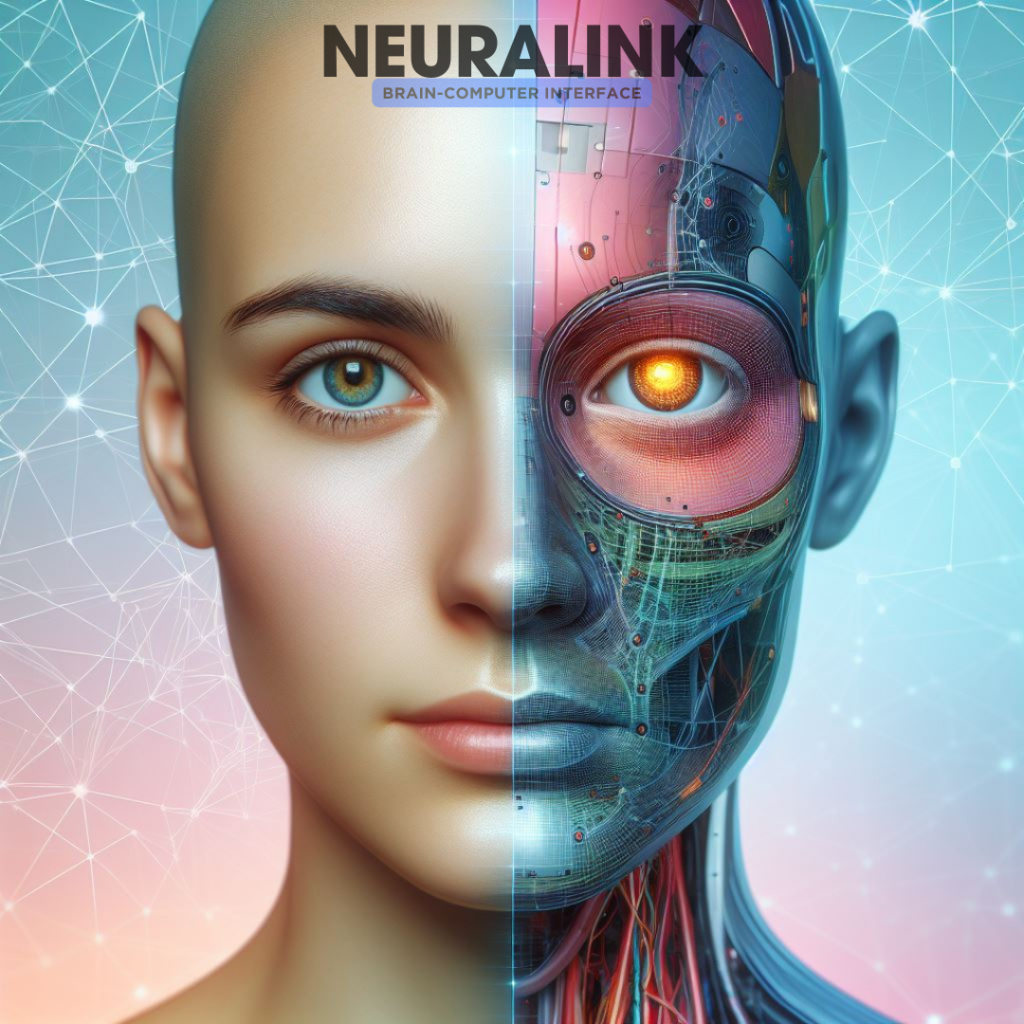
Neuralink, founded by Elon Musk, has achieved a groundbreaking milestone with the successful implantation of its brain-chip in the first human patient. This venture aims to create a generalized brain interface that not only addresses unmet medical needs today but also unlocks the vast potential of the human mind.
About Neuralink: Neuralink’s mission is to develop a brain-computer interface that restores autonomy to those with unmet medical needs and unlocks human potential. The goal is to bring this transformative technology from the lab into people’s homes, changing lives for the better.
Who is it for: Neuralink is currently focusing on helping individuals with quadriplegia regain control over their computers and mobile devices using their thoughts. By providing a direct connection between the brain and technology, Neuralink aims to enhance the quality of life for those facing mobility challenges.
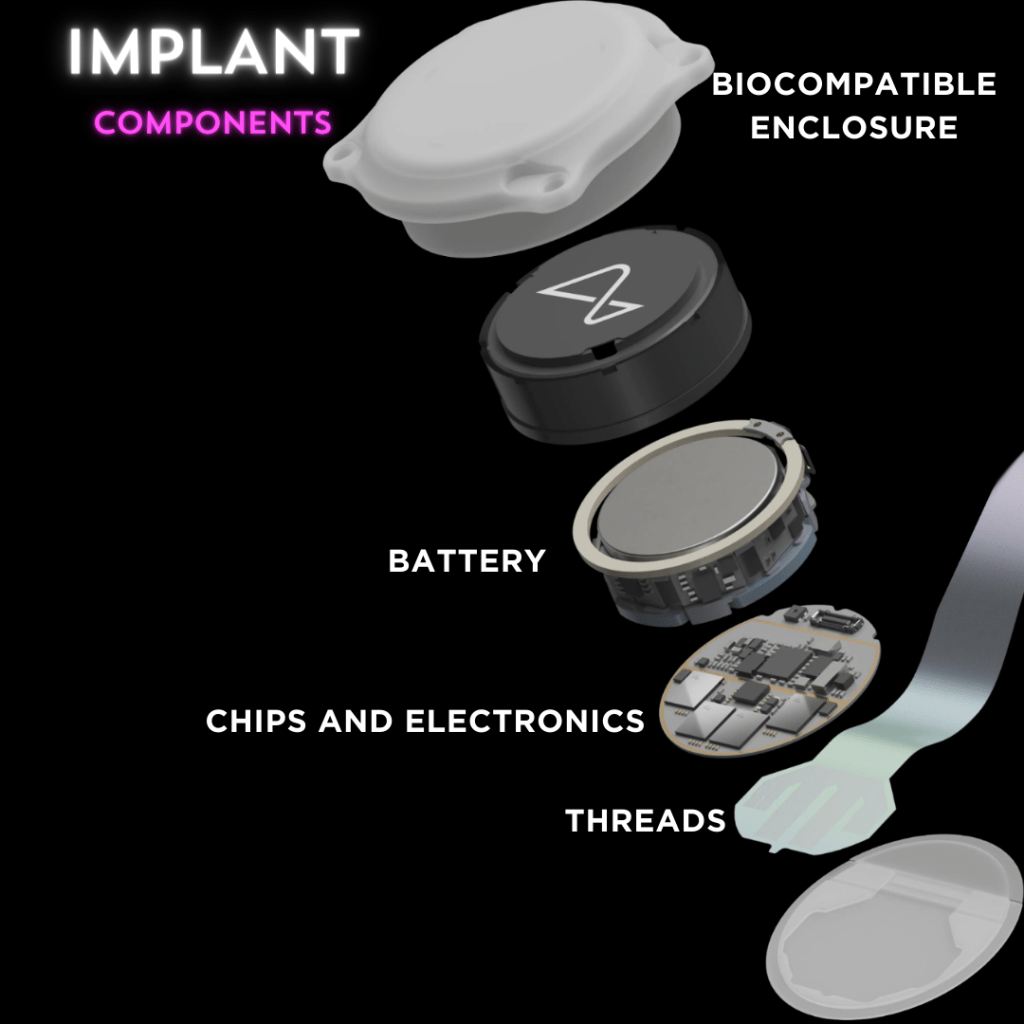
About the Product: Neuralink’s brain-computer interface is a fully implantable, cosmetically invisible device designed to allow users to control computers and mobile devices seamlessly. The N1 Implant, encased in a biocompatible enclosure, withstands physiological conditions, ensuring durability within the human body. The small, wirelessly charged battery and advanced low-power chips process neural signals, wirelessly transmitting them to the Neuralink Application for interpretation.
Threads, the core component of the implant, record neural activity through 1024 electrodes distributed across 64 threads. The installation process is made possible by a surgical robot, ensuring precision and efficiency in the delicate procedure.
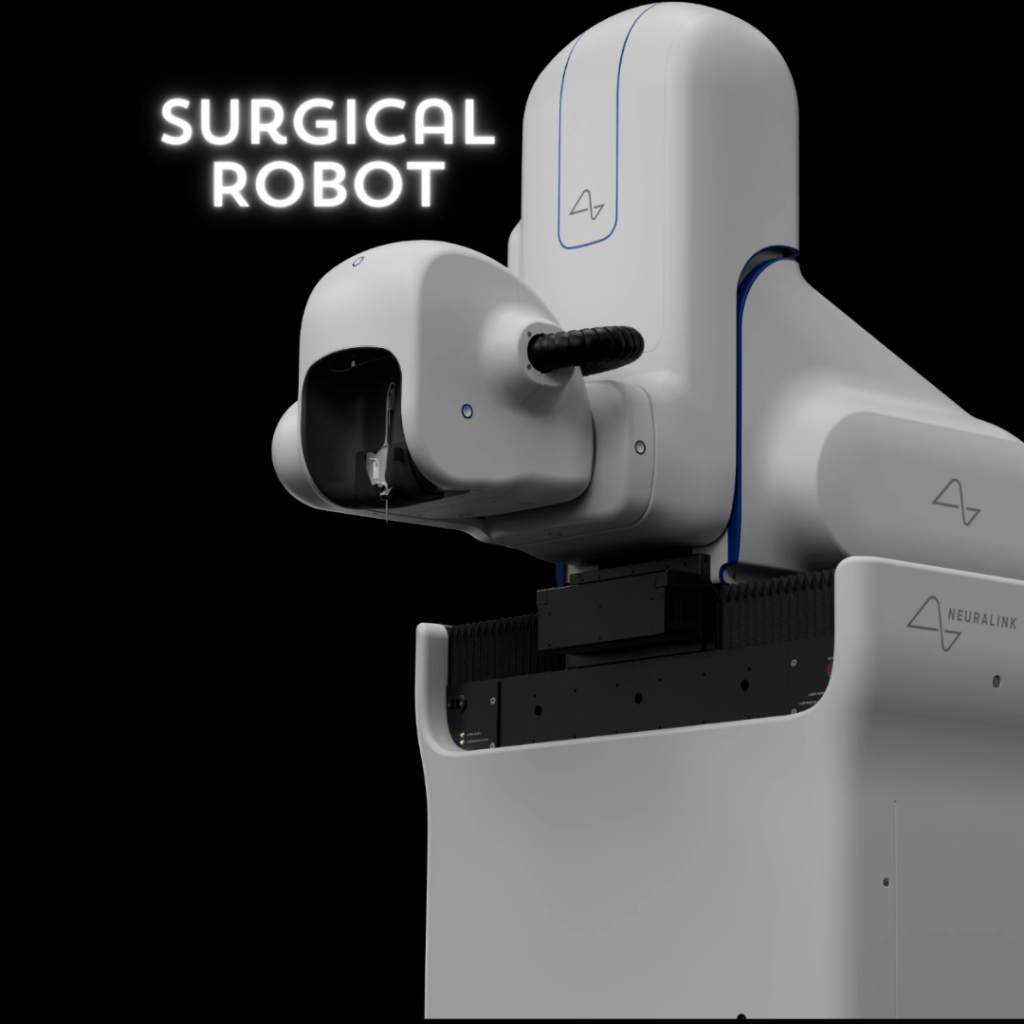
Installation Process: Neuralink’s surgical robot, equipped with a robot head and needle thinner than a human hair, inserts the ultra-thin threads exactly where they need to be. The robot head, housing cameras and sensors, provides the structural platform for the robot’s motion stage, ensuring accurate needle placement. This seamless process minimizes damage during implantation, prioritizing safety and precision.
Neuralink’s brain-computer interface experience prioritizes ease of use, aiming to restore independence and improve lives. Users can control computers and devices with their thoughts, offering a new level of accessibility for those with mobility challenges. The technology seamlessly integrates with daily life, empowering individuals to navigate the digital world effortlessly.
Future of Neuralink: Looking ahead, Neuralink envisions expanding its capabilities to restore functions such as vision, motor skills, and speech. The goal is to reshape how we experience the world, offering hope for those facing various neurological challenges. Neuralink’s continuous innovation promises a future where individuals can overcome physical limitations, opening new possibilities for human potential.
Neuralink’s journey into brain-computer interfaces marks a significant leap in merging technology with the human mind. The successful implantation in the first human patient is just the beginning, with a promising future ahead. As Neuralink continues to push boundaries, the potential to enhance lives and redefine human experiences becomes increasingly tangible.

 PURPLEOCHRE AI